

ISLAMABAD: Pakistan’s government continues to manage a deepening fuel and electricity crisis triggered by the ongoing Iran war, with senior officials holding emergency reviews and rolling out conservation measures that are reshaping daily life across the country.
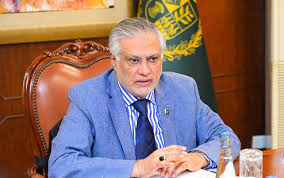
Deputy Prime Minister and Foreign Minister Senator Muhammad Ishaq Dar chaired a Steering Committee meeting on 14 April to review the situation on the country’s fuel supply, the ongoing subsidy program and enforcement of austerity measures. The Petroleum Minister briefed participants on current fuel reserves relative to national consumption and updated the committee on efforts to source fuel from regions unaffected by the war. Dar directed that subsidy payments be tracked to ensure relief reaches ordinary citizens (Mettis Global). The meeting brought together all four provincial chief secretaries, the federal secretaries of Petroleum and IT as well as the chief secretaries of Azad Jammu and Kashmir and Gilgit-Baltistan (Photo News).
Pakistan announced that it would suspend electricity supply for about two hours every evening between 5:00 PM and 1:00 AM across most of the country to reduce the use of costly fuels and preventing a sharp rise in electricity tariffs (Worldnews.com). The country’s power shortfall has reached 4,500 megawatts during peak evening hours, roughly a quarter of the total national demand (Bloomberg).
Regarding fuel prices, petrol has risen to Rs458.40 and high-speed diesel to Rs520.35 per liter, over 40% higher within a single month with the increases feeding directly into transport fares and food prices nationwide.
To cushion the blow, disbursement for public service transport vehicles has begun with support from the State Bank of Pakistan, and a mobile application for motorcycle subsidy registration has been launched (Radio Pakistan). The government has already spent Rs129 billion over three weeks to keep fuel prices stable and shield the public from additional financial strain (ARY News).